
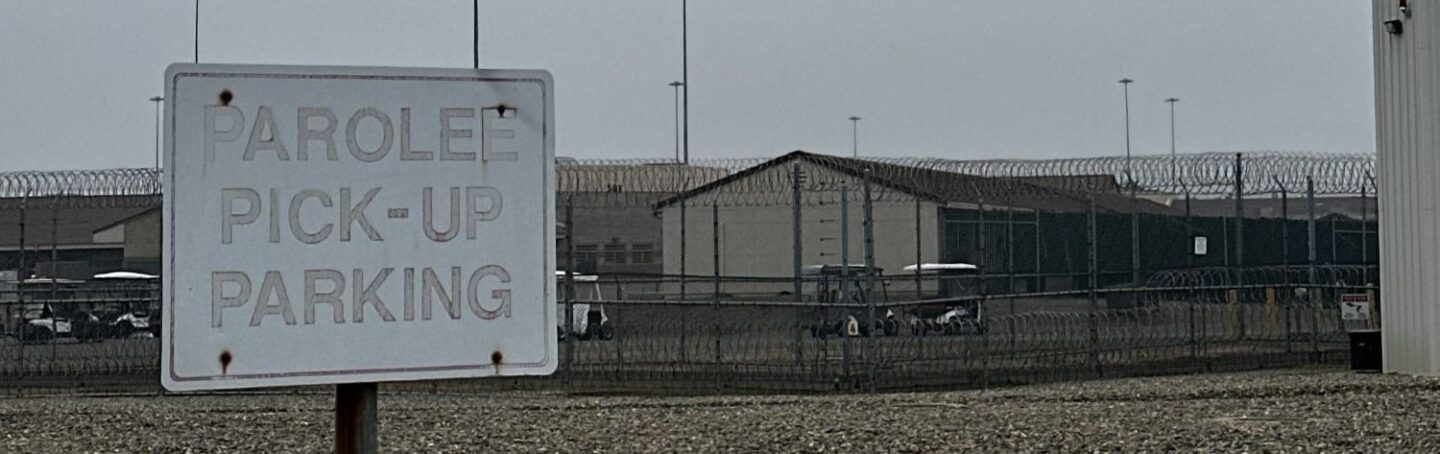
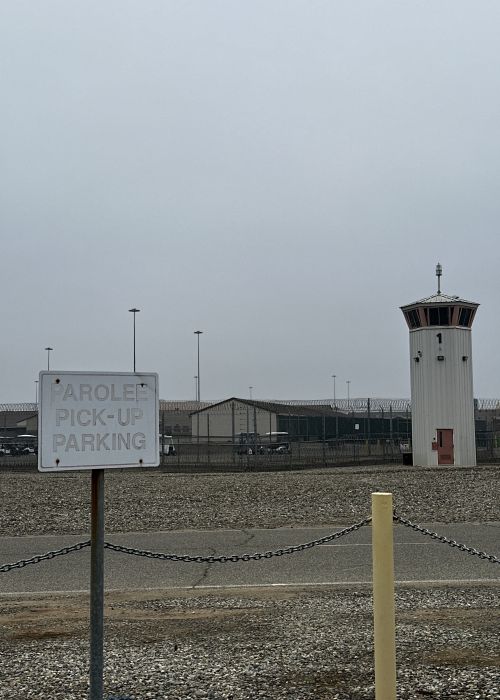

The process of preparing for parole from prison was mentally and emotionally difficult for me. I felt guilty the night my housing staff handed me a parole ducat. I felt unworthy of leaving while I was surrounded by women who had worked on themselves for decades, some who even committed lesser crimes than I did. Many of those women are still in prison, and in all reality many of them may never leave.
As I jumped on the emotional roller coaster of transitioning from living in a small room with seven women back to my parents’ house, I developed a deep concern for the women who would go through this after serving 10, 20, 30, even 40 years in prison. I got to come home to both parents. Some women’s entire families are gone by the time they are found suitable for parole.
Even with the support of family, the transition out of prison is long and difficult. I had a panic attack in a restaurant with stainless steel tables that looked just like the ones in the chow hall. I wanted to hang out with my old friends for hours and hours, but they wanted to know why I was so needy and what happened to me. All I could think about was how much more complex this process would be for someone who served a longer sentence.
The more I thought about it over the years, the more I knew we needed a different kind of resource that would help incarcerated women develop a strong foundation to build the next phase of their lives on and to bridge the ever growing gap between mental wellness and mental healthcare.
In prison, you get asked if you’re OK at least five times a day. People say “I love you” all the time, as if we’re not going to see each other for weeks when it’s only going to be an hour. You learn to be considerate of other people’s time, limitations, likes and dislikes, and eventually you move with those things in mind. I learned how much my actions impact people other than myself. I literally had to go to prison to learn the world does not revolve around me.
My concerns and the life lessons learned in prison helped lead to the decision to create Woman II Woman.
One of the things we do every once in a while is pick someone up on her parole day. In 2022, I got a call from one of my most trusted lifer friends, and she asked if I could help one of her good friends get home. She asked if I could connect her with one of the bigger organizations that have a program for rides home.
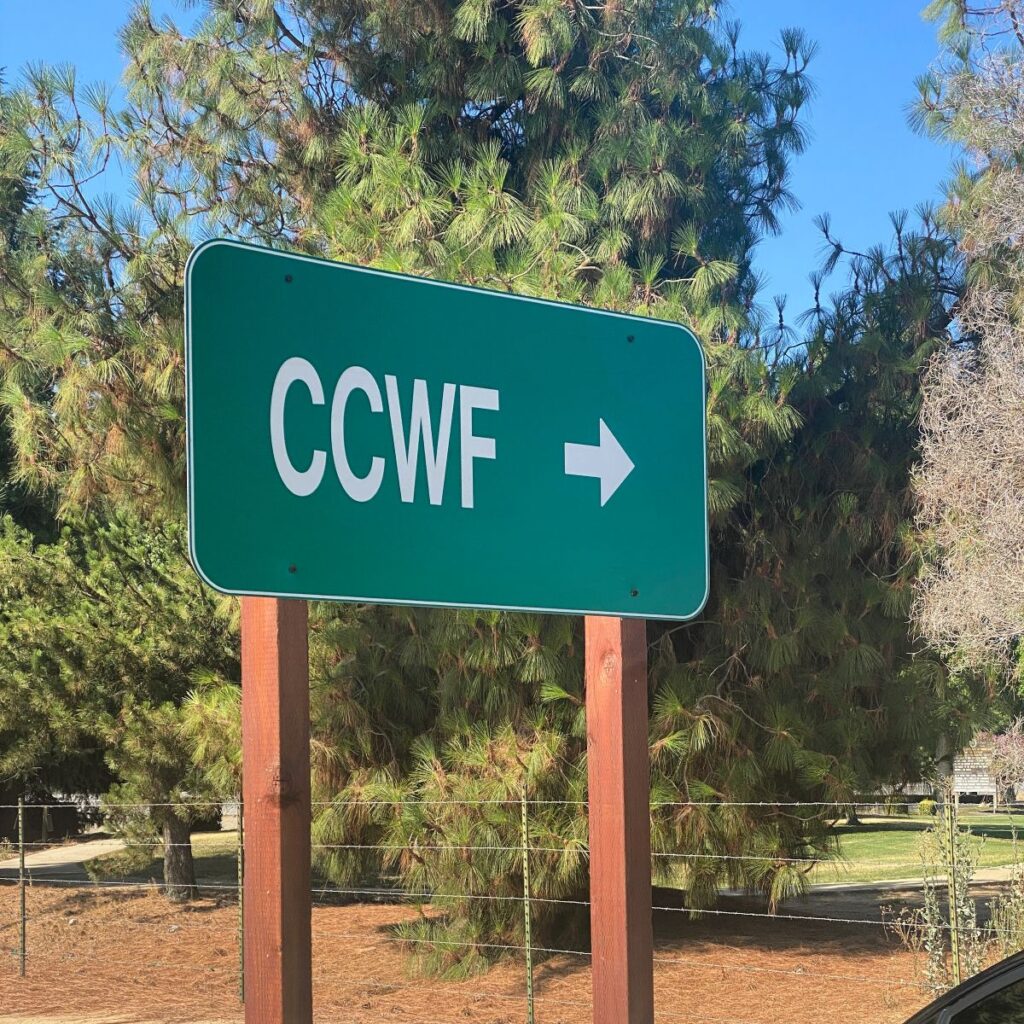
I agreed and started reaching out. I talked with the woman who needed the ride and we became friends quickly. I got her some information and sent her the paperwork she had to fill out. We got on a call and we were going over the questionnaires together. Some of the questions made us both raise an eyebrow and she asked me if I could call an organization and ask if it would be OK if they would please send a woman to get her. She was worried about the possibility of a seven hour drive alone with a man she’d never met before.
Over the next couple days, I kept thinking about how small my friend’s voice got when she asked about not riding with a man. She sounded so timid and she felt bad for asking a question that any woman should feel confident and comfortable asking.
The next time she called me, she asked if I had any news, and I said, “I’m coming to get you.” I didn’t want to ask another organization anything. I was upset by the lack of women-centered thinking that went into the blueprints for these services. I didn’t want this woman—or any other woman—to ever feel uncomfortable or unworthy of asking for something so reasonable.
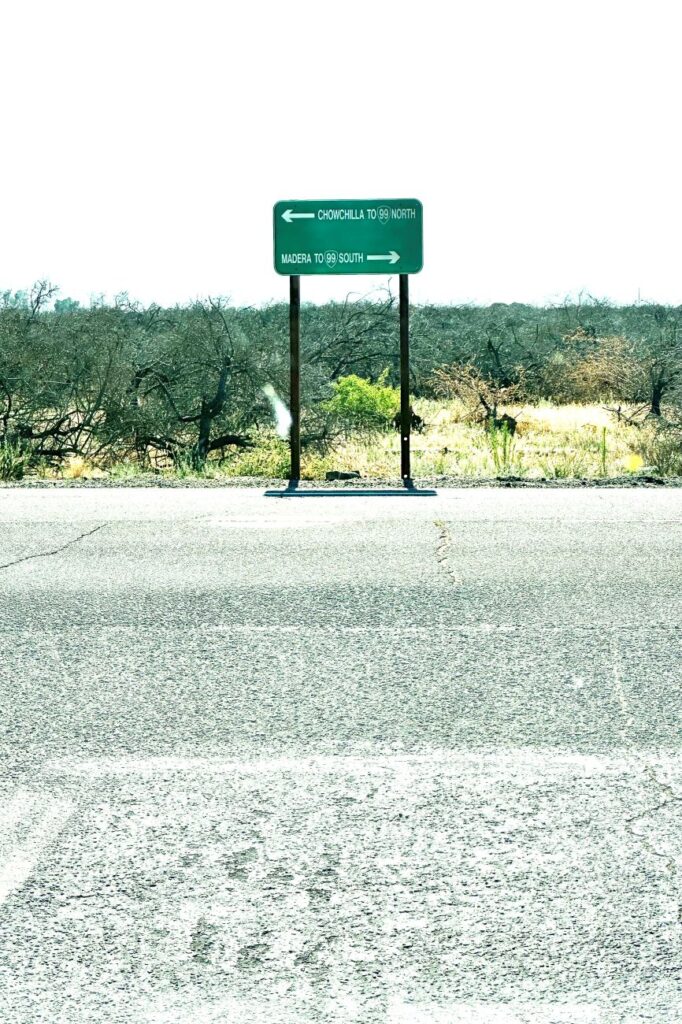
Very recently, we got a request for a ride from a 70-year-old woman who was found suitable for parole after 21 years. Without a single doubt, I said “Yes.” And without checking to see if we had the means necessary to fund a trip from L.A. to Chowchilla to San Francisco and back to L.A. again, I said “Yes.”
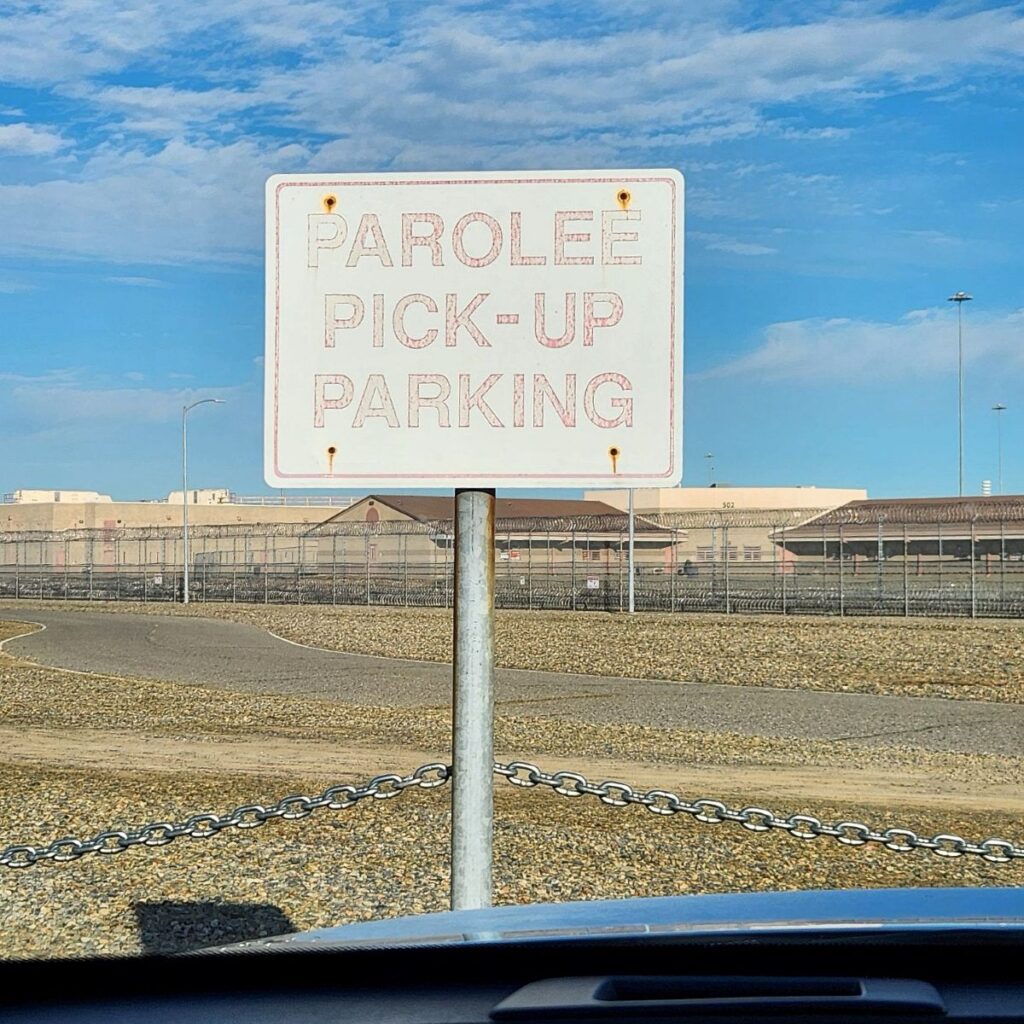
Right before I left, the reality of the situation started to hit me, and as I was calculating gas and mileage the first woman I ever picked up messaged me. She heard I was headed to pick an old timer up and she wanted to help. She paid it forward in full. The level of thoughtfulness, being remembered, having women in my life that I don’t see or speak to on a regular basis but I know are there and that they always will be there, is what keeps me going. The unspoken trauma bonds that bind us and our involuntary lifetime membership to the sorority of incarcerated women is a driving force behind the work I do.
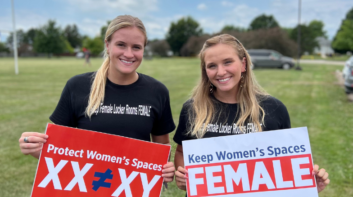
That is why Woman II Woman remains committed to advocating for these women and their rights—especially against policies that seek to strip them of their privacy and safety. Every woman, incarcerated or not, deserves the right to her own sex-exclusive space and the mental peace that comes with it.
We know that securing this right is vital not just for women currently serving sentences in states that allow trans-identified men into women’s spaces, but also for those who will someday get out and begin the transition process. Rebuilding one’s life after prison is a hard enough task as it is. Women should be able to do so free from fear and judgment.